


Waterproofing and Water Resistance Test
Waterproof (water resistance) testing evaluates the waterproofness and water resistance of products and materials by exposing them to water droplets, water jets, and flooded environments. It is widely used to evaluate the reliability of electronic devices and automotive parts.
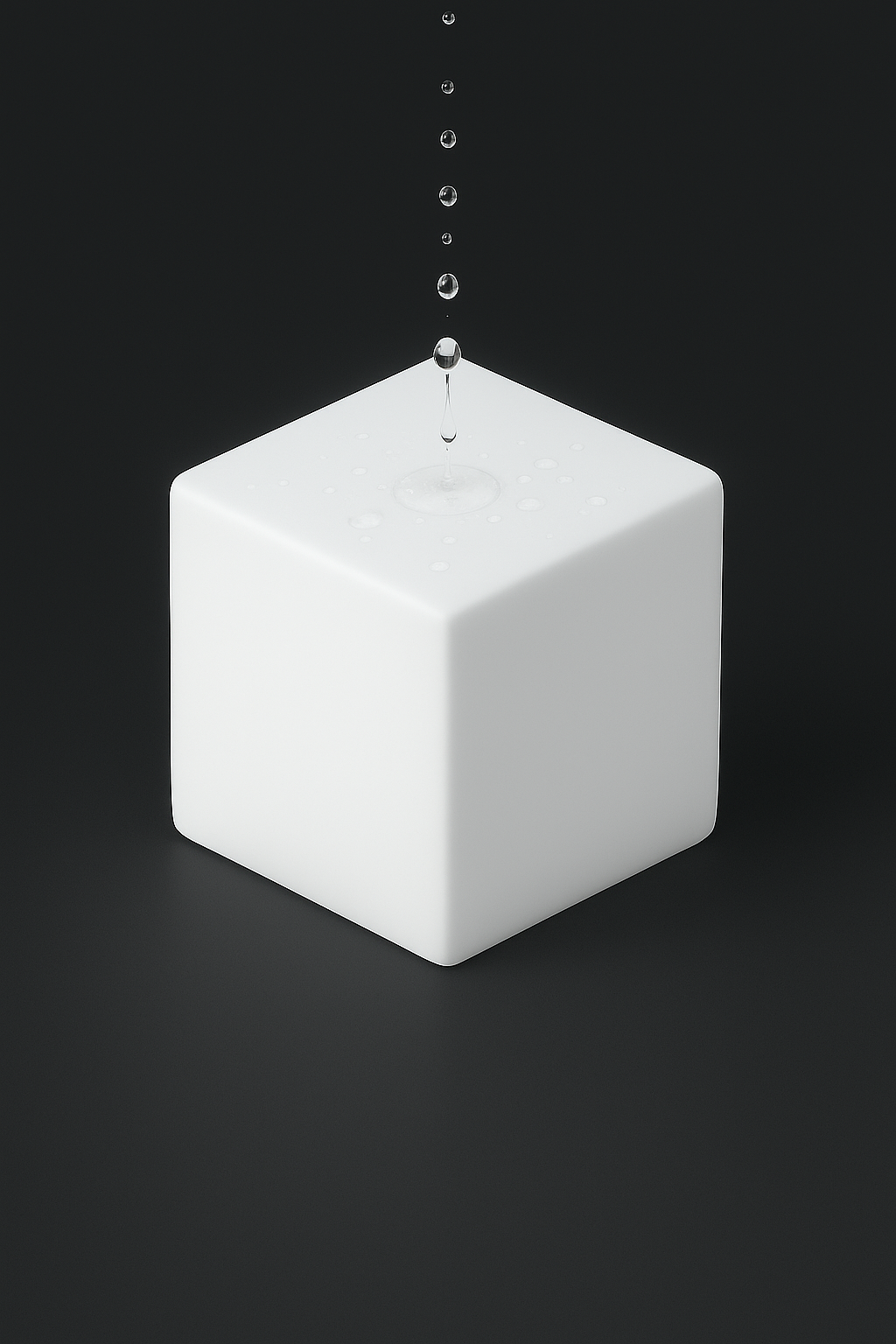
IPX1: Droplet water test (vertical drop of water)
IPX1: Dripping Water Test (Vertical Drip) is conducted by exposing the enclosure to vertically falling water drops to verify water ingress into the interior. This test simulates light rain or condensation conditions and is used to evaluate basic waterproof performance.
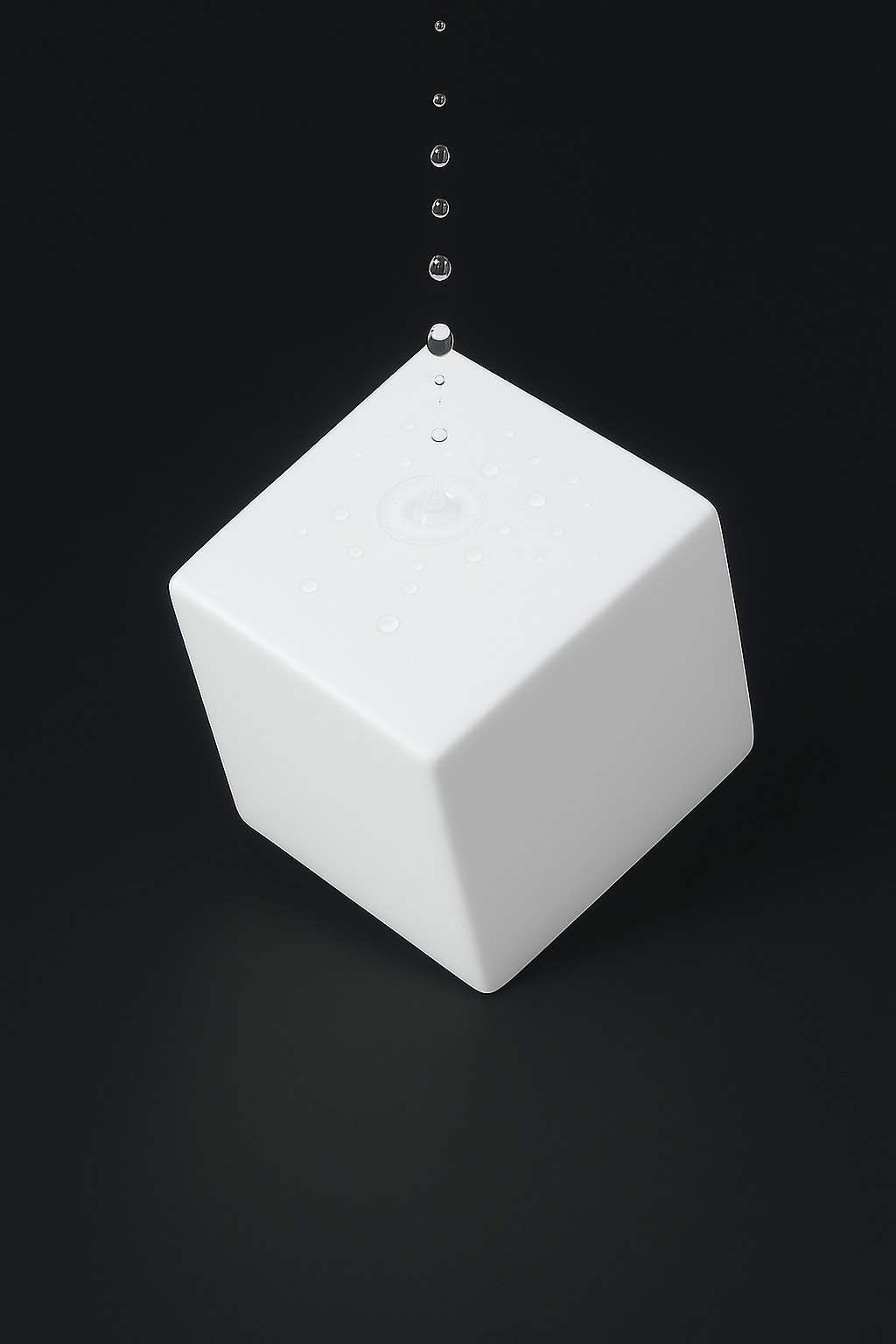
IPX2: 15° inclined drop water test
IPX2: Dripping Water Test (15° Tilted Position) is conducted by exposing the equipment to vertically falling water drops while it is inclined up to 15° to verify water ingress. This basic waterproof test simulates conditions such as inclined outdoor installations or light rain exposure.
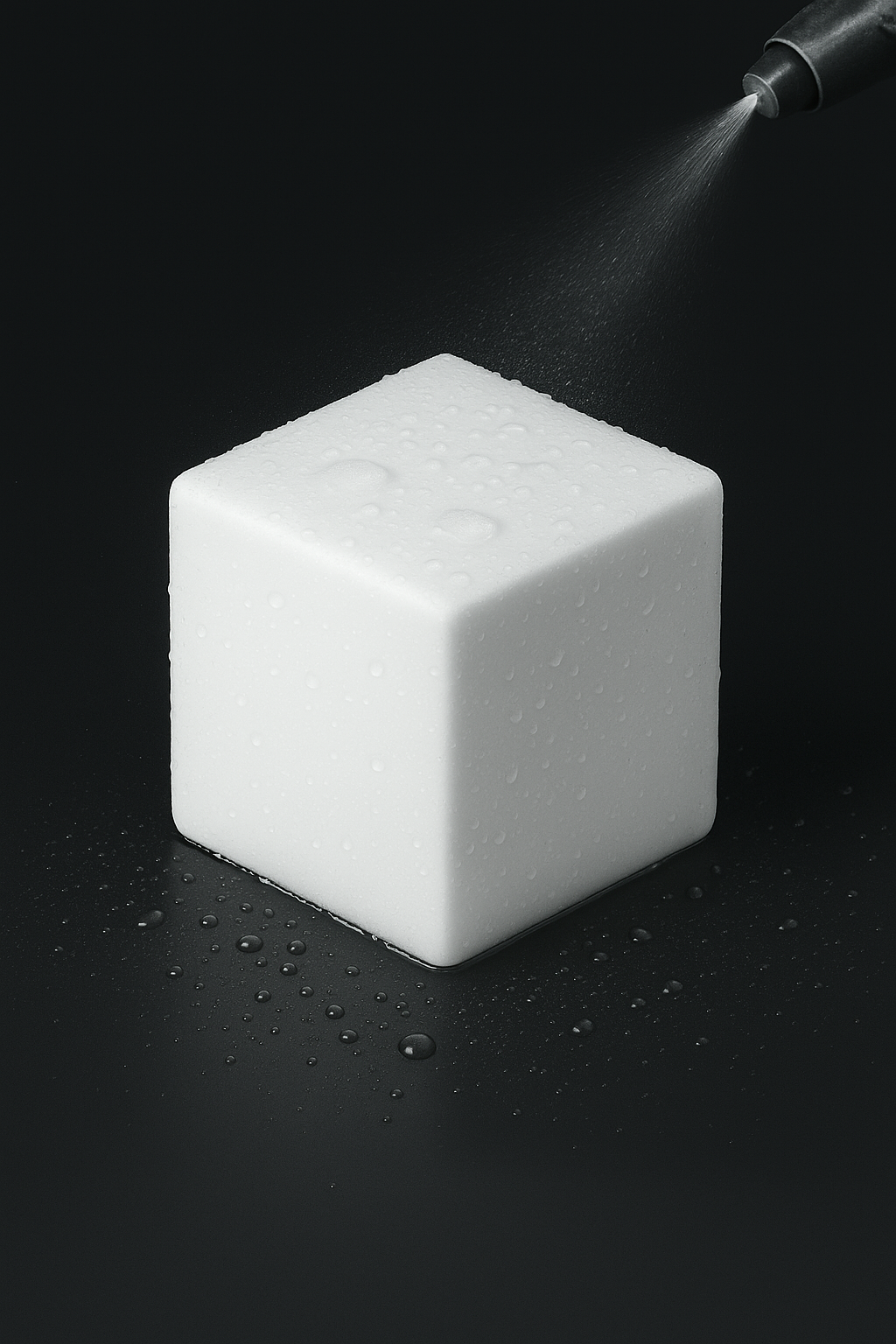
IPX3: Water spray test (spray nozzle/vibrating tube)
IPX3: Water Spray Test is conducted by spraying water from a spray nozzle or oscillating tube to reproduce conditions such as rainfall or water splashes and to evaluate waterproof performance. This test is commonly required for outdoor equipment and compact devices.
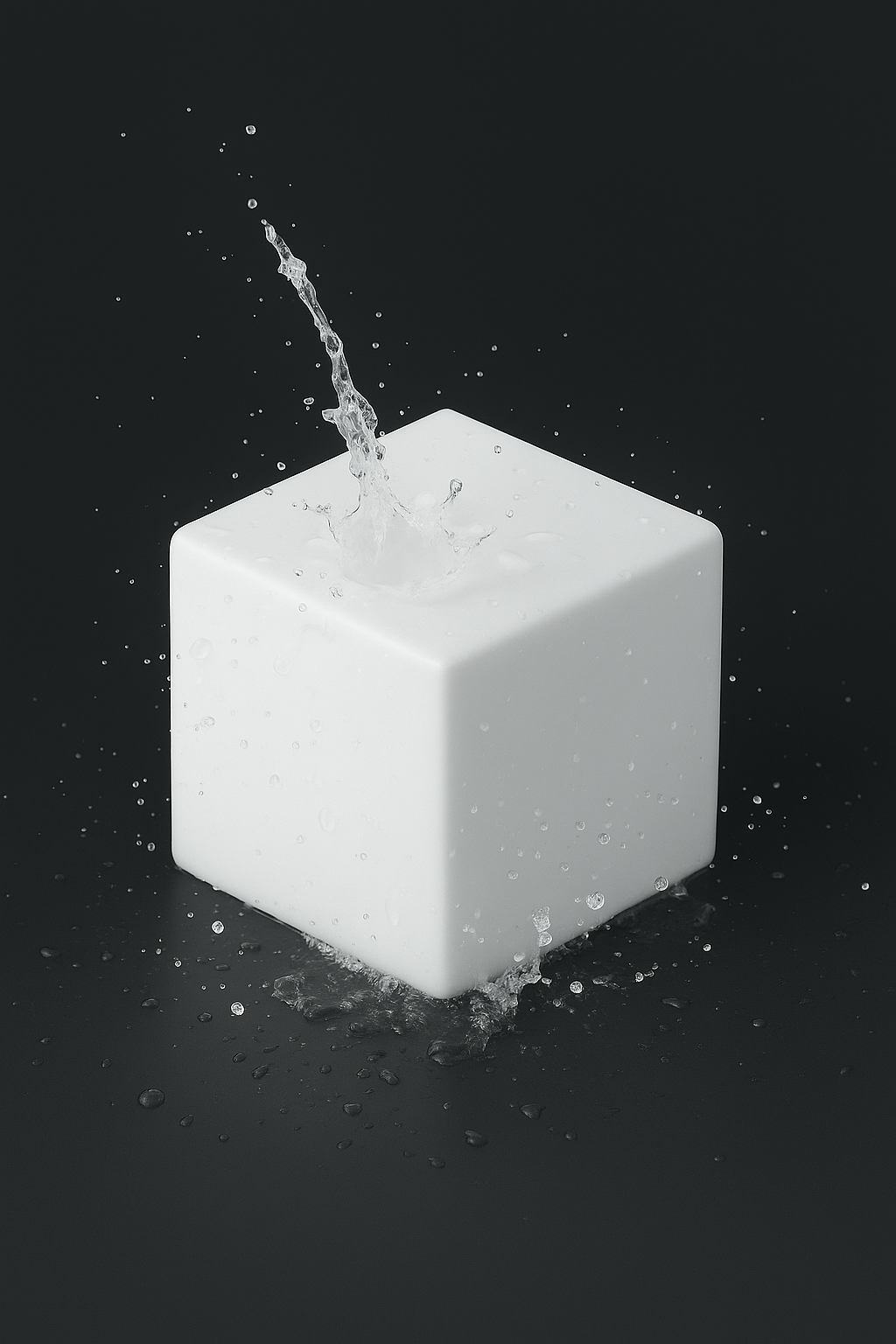
IPX4: Splash test (water splashed from all directions)
IPX4: Splashing Water Test is conducted by exposing the product to water splashes from all directions to verify that no water enters the interior. This test is applicable to products installed in environments subject to rain or multidirectional water splashes.
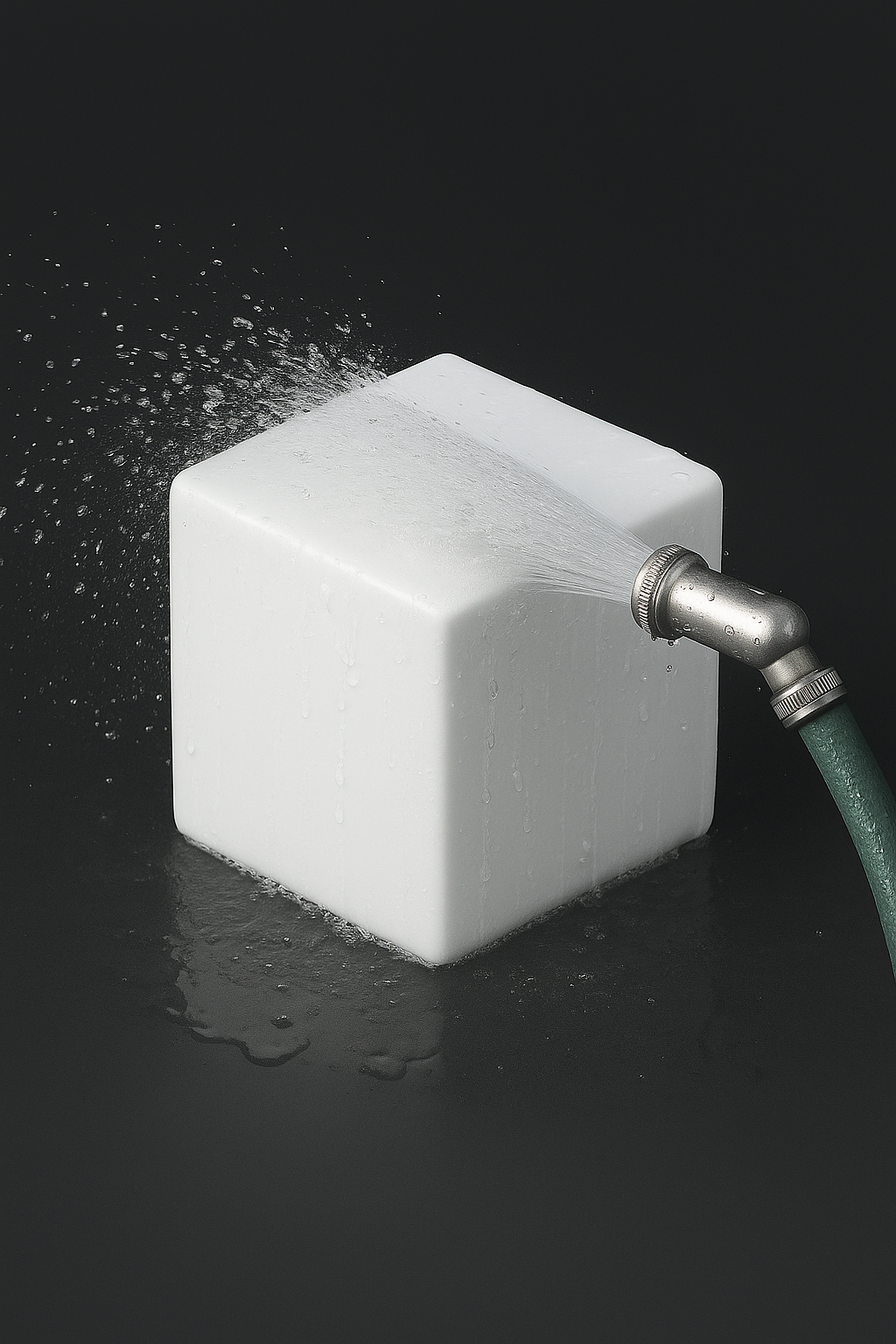
IPX5: Water jet test (water jet by hose)
IPX5: Water Jet Test is conducted by spraying water through a 6.3 mm diameter nozzle to verify that no water enters the interior of the product. This test is widely applied to outdoor equipment and automotive components.
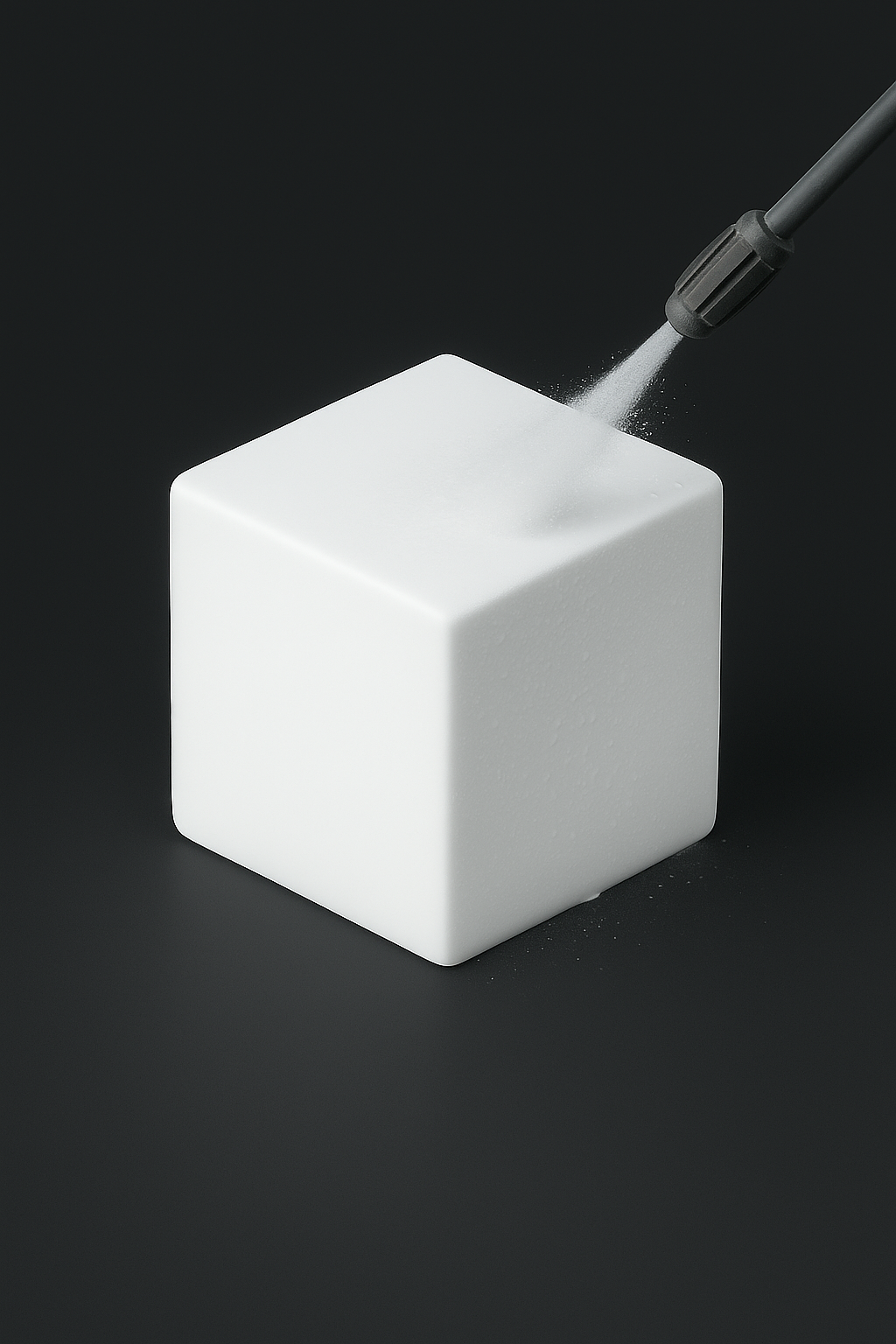
IPX6: Strong jet water test (large diameter nozzle, high water pressure)
IPX6: Powerful Water Jet Test is conducted by applying a strong water jet from a 12.5 mm diameter nozzle to verify that no water enters the product interior. This test simulates high-pressure cleaning and heavy rain conditions to confirm robust waterproof design.

IPX7: Submersion test (1m depth, 30 minutes)
IPX7: Immersion Test (1 m Depth, 30 Minutes) is conducted by immersing the product in water at a depth of 1 meter for 30 minutes to verify waterproof performance. This test evaluates the product’s ability to withstand temporary submersion and is widely applied to small devices and household appliances.

IPX8: Deep water test (long duration, manufacturer specified conditions)
IPX8: Continuous Immersion Test (Long Duration, Manufacturer-Specified Conditions) is conducted by immersing the product in deep water under conditions specified by the manufacturer for an extended period to verify waterproof performance. This test is applicable to equipment intended for continuous underwater use or for special applications.
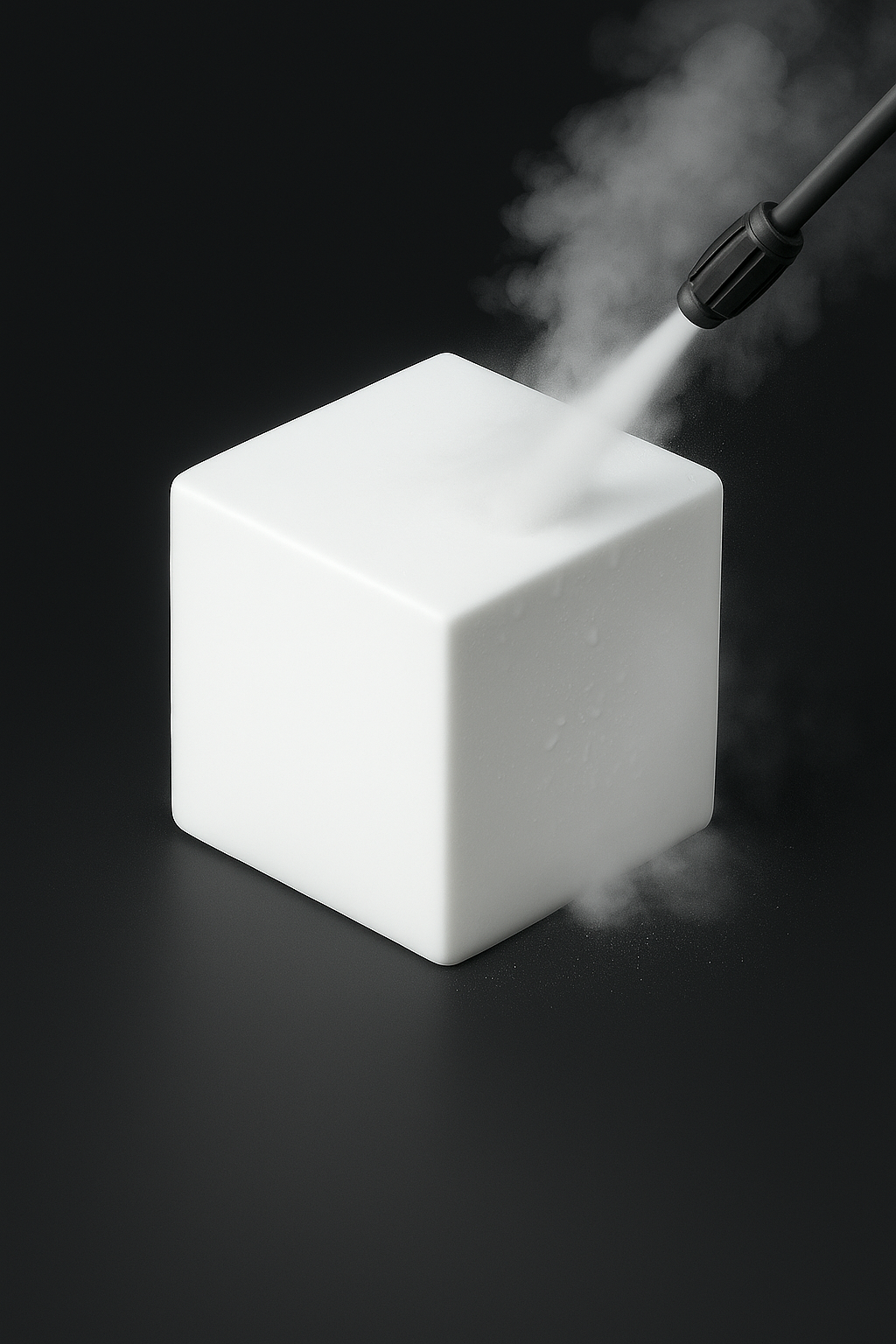
IPX9K: High-temperature, high-pressure water jet test (ISO 20653, automotive standard)
IPX9K: High-Temperature, High-Pressure Water Jet Test is conducted by spraying high-temperature, high-pressure water from multiple directions to verify water resistance. This test, specified in ISO 20653, simulates high-pressure cleaning environments for automotive and industrial equipment.
Submersion test (submerged, deep water, pressurized water)
Immersion Test is conducted by immersing the specimen in water at a specified depth to verify waterproof performance and sealing integrity. This test is used to evaluate the reliability of automotive components and other products, and complies with international standards.

Ice Water Test
Ice Water Test is conducted by heating the specimen to a high temperature and then rapidly cooling it in ice water to verify waterproof performance, insulation reliability, and corrosion resistance. This test is commonly used for evaluating automotive battery packs and similar components.