


Testing
ETAC, a professional testing partner, conducts environmental testing, reliability evaluation, and analysis on behalf of its clients. With a comprehensive range of services in compliance with international standards, ETAC helps enhance product quality and reliability.

High temperature storage test (HTS)
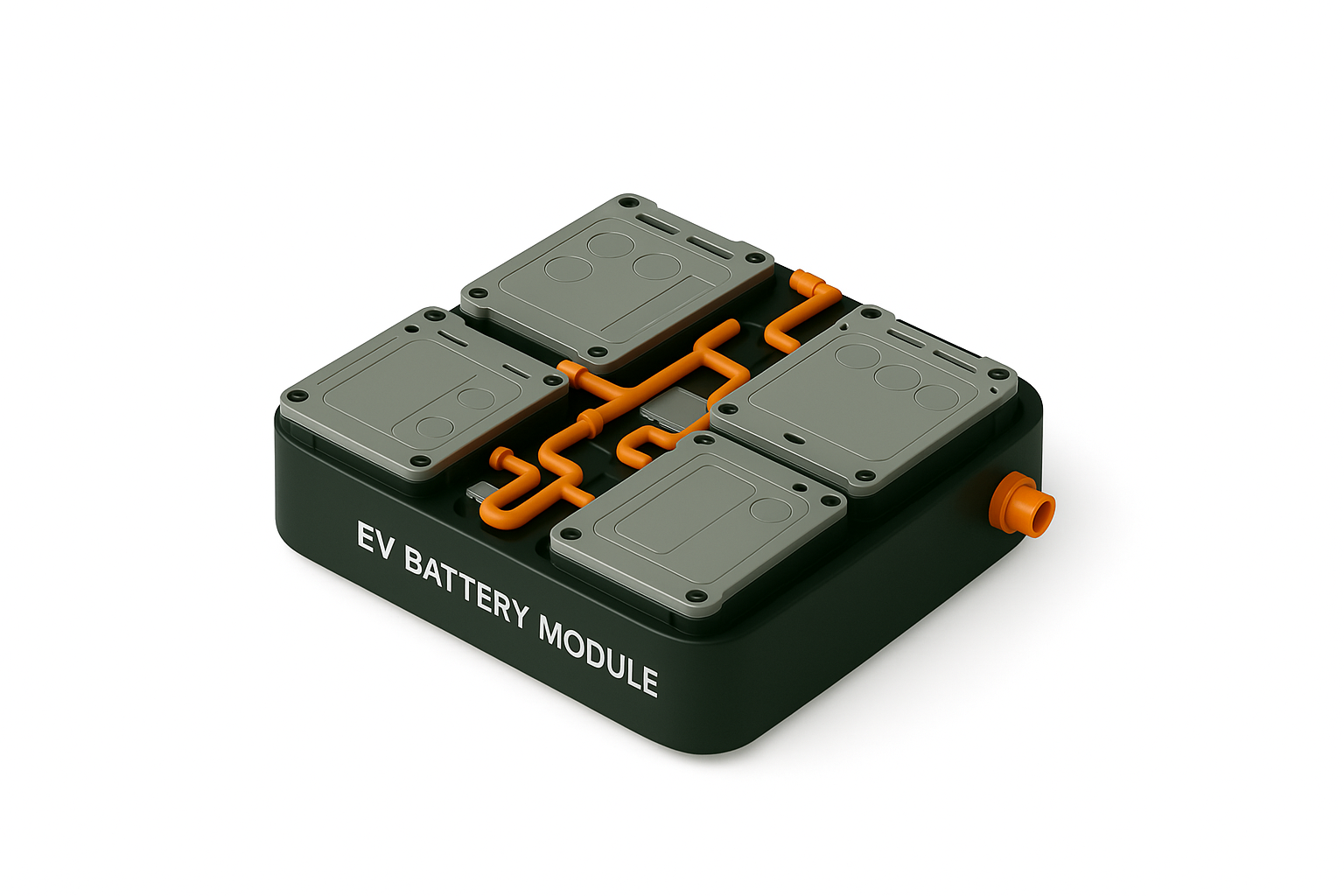
High Temperature Storage (HTS) is a test that evaluates the service life, performance degradation, heat resistance, and long-term reliability of products and materials in a short period of time by intentionally accelerating aging through prolonged exposure to high temperatures.
Low temperature storage test (LTS)
Low Temperature Storage (LTS) is a test that evaluates the service life, performance degradation, heat resistance, and long-term reliability of products and materials in a short period of time by intentionally accelerating aging through prolonged exposure to low temperatures.
High temperature operating test (HTO)
High Temperature Operating (HTO) Test is conducted to accelerate the degradation of products and materials by continuously applying voltage and current while exposing them to high temperatures. It is used to detect defects and to verify reliability and durability.
Low temperature operating test (LTO)
High Temperature Operating (HTO) Test is conducted to accelerate the degradation of products and materials by continuously applying voltage and current while exposing them to high temperatures. It is used to detect defects and to verify reliability and durability.

Temperature Cycling Test (TCT)
Temperature Cycling Test (TCT) is conducted to evaluate the durability and reliability of products and materials by alternately exposing them to high and low temperatures.This process accelerates degradation and failures caused by thermal expansion and contraction due to temperature changes.
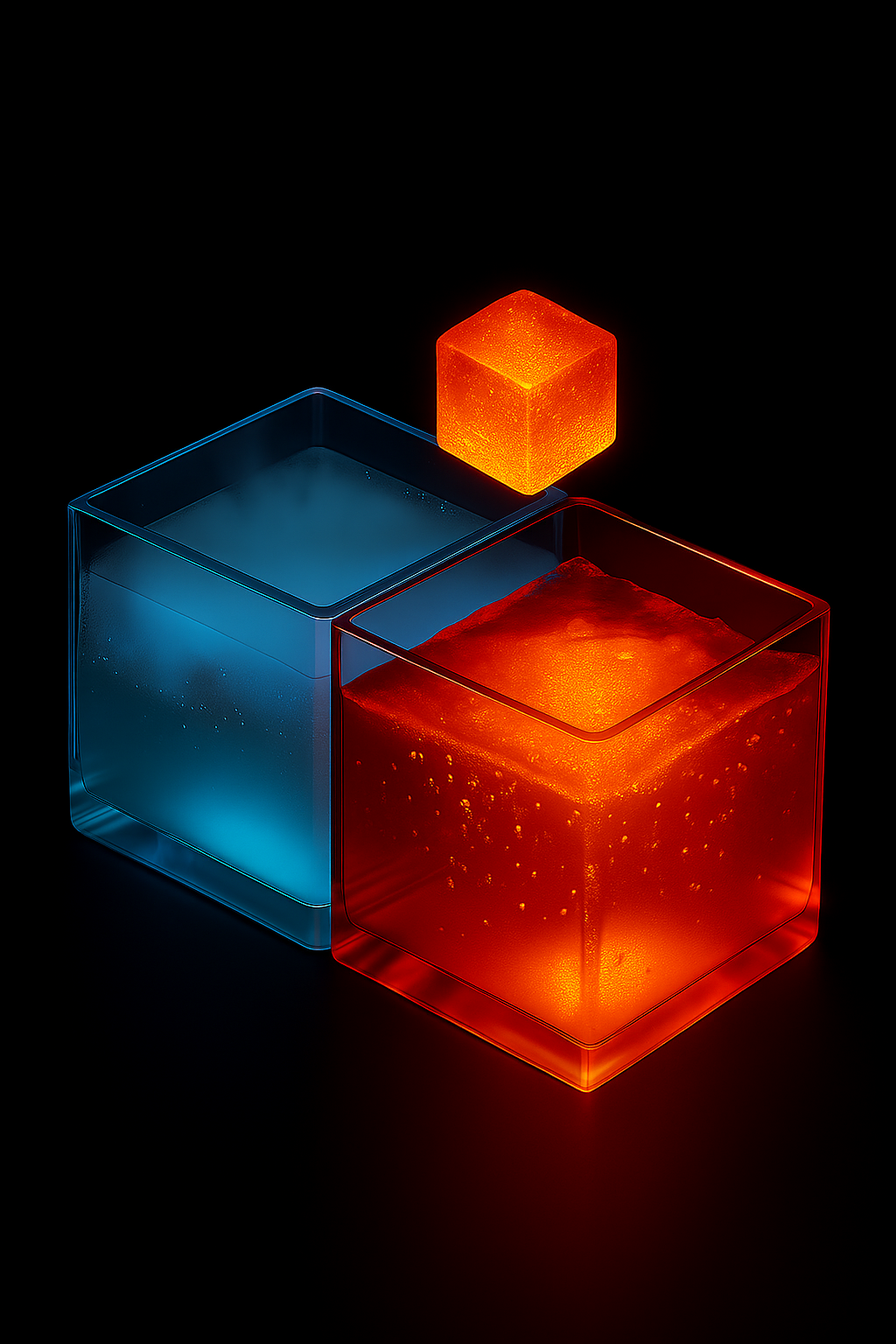
Thermal shock test (TST) liquid bath type
Thermal Shock Test (Liquid Bath Type, TST) is conducted to detect and evaluate early defects and weaknesses such as cracks, delamination, and deformation by alternately immersing products and materials in hot and cold liquids to impose extreme temperature changes.
Thermal Shock Testing (TST) Gas Tank Type
Thermal Shock Test (Air-to-Air Type, TST) is conducted to detect and evaluate early defects and weaknesses such as cracks, delamination, and deformation caused by rapid temperature changes. In this test, products and materials are rapidly transferred between high- and low-temperature chambers to impose sudden thermal stress.
Rapid temperature change test (TCC)
Rapid Temperature Change Test (TCC) is conducted to reproduce and evaluate defects such as solder peeling, cracking, and fracture caused by thermal expansion and contraction. In this test, products and materials are repeatedly subjected to rapid temperature changes to assess their durability and reliability under thermal stress.
Power Cycle Test (PCT)
Power Cycling Test (PTC) is conducted to evaluate degradation due to thermal fatigue, long-term durability, and metal corrosion.In this test, high power is repeatedly applied to the specimen to generate self-heating, followed by forced heat dissipation and cooling cycles.
Constant temperature and humidity storage test (THS)
Constant Temperature and Humidity Storage Test (THS) is conducted to evaluate deterioration, performance changes, and long-term durability. In this test, samples are placed in a high-temperature, high-humidity environment for a specified period to accelerate aging and identify potential defects that could occur over years of use.
Constant temperature and humidity bias test (THB)
Constant Temperature and Humidity Bias Test (THB) is conducted to reproduce, in a short period of time, degradation phenomena such as metal corrosion and insulation deterioration. In this test, samples are placed in a high-temperature, high-humidity environment and energized by applying voltage to accelerate the degradation process.
Highly Accelerated Life Test (HAST)
Highly Accelerated Life Test (HAST) is conducted to evaluate reliability and durability by subjecting specimens to high temperature, high humidity, and high pressure stresses. This test accelerates degradation mechanisms that would normally take several years under standard environmental conditions, allowing them to be reproduced in a short period of time.
Pressure Cooker Test (PCT)
Pressure Cooker Test (PCT) is conducted to evaluate, in a short period of time, defects such as resin cracking, metal corrosion, and insulation degradation. In this test, specimens are subjected to high temperature, high humidity, and high pressure to accelerate moisture penetration into the interior of the material.
Low temperature and low humidity test
Low Temperature and Low Humidity Test is conducted to evaluate deterioration, cracking, and insulation defects caused by drying and shrinkage by maintaining the test specimen in a low-temperature, low-humidity environment. This test is used to verify reliability under cold or dry environmental conditions.

Temperature and humidity cycle test
Temperature and Humidity Cycling Test is conducted to evaluate the effects of condensation, corrosion, and insulation failures by repeatedly subjecting products to alternating conditions of high temperature and humidity and low temperature and dryness, simulating actual environmental conditions. This test is commonly used for long-term reliability evaluation of products.
Dew Condensation Cycle Test
Condensation Cycle Test is conducted to evaluate corrosion, insulation failures, and conduction failures by repeatedly generating condensation through temperature and humidity variations. This test is widely used to verify the long-term reliability of automotive and outdoor equipment.

Sine-induced vibration test (SIN)
Sine Vibration Test (SIN) is conducted to evaluate the resonance points and durability of products and materials by applying sinusoidal vibrations at specific frequencies. This test is effective for identifying structural weaknesses and determining natural frequencies.
Random Vibration Test
Random Vibration Test (RANDOM) is conducted to evaluate the durability and reliability of products by reproducing irregular vibrations that simulate actual transportation and operating environments. This test enables the detection of structural weaknesses across a wide frequency range.
Sign-on Random Vibration Test (SOR)
Sine-on-Random Test (SOR) is conducted to evaluate resonance, durability, and reliability by superimposing sinusoidal vibrations onto random vibrations to reproduce complex vibration patterns similar to actual transportation and operating environments.
Shock test (SHOCK)
Impact Test refers to a test conducted using various equipment configurations combined with different impact methods, samples, and conditions. It is widely used for reliability evaluation of automotive and electronic components.

drop test
Drop Test is conducted to reproduce impacts that occur during transportation and handling by freely dropping test specimens from a specified height to confirm damage and functional failures. This test is widely used for reliability evaluation of mobile devices and similar products.
tension test
Tensile Test is conducted to quantitatively evaluate the holding strength of resins, adhesives, terminals, and connectors. When combined with environmental testing, this test enables objective evaluation of deterioration and reliability.
compression test
Compression Test is conducted by applying a compressive force to a material or component to evaluate its strength and deformation characteristics. This test is mainly used to determine the load at which the specimen fails and the amount of deformation that occurs before failure.
bending test
Neutral Salt Spray Test is an accelerated corrosion test conducted to evaluate the corrosion resistance of materials and surface-treated components. In this test, an aqueous solution of sodium chloride (NaCl) is adjusted to a neutral pH (6.5–7.2) and sprayed as a fine mist.
Neutral salt spray test (NSS)
The neutral salt spray test is an accelerated corrosion test to evaluate the corrosion resistance of materials and surface treated parts. An aqueous solution of sodium chloride (NaCl) is adjusted to neutral (pH 6.5 to 7.2) and sprayed as a mist.
Saltwater Cycle Test (CCT)
Salt Spray Cycling Test is an accelerated corrosion test that repeatedly alternates between salt spray, drying, and humidification processes. This test reproduces corrosion similar to actual environmental conditions in a short period of time and is widely used for durability evaluation of automotive components and surface-treated materials.
Combined saltwater cycle test (CCT)
Combined Salt Spray Cycling Test is an accelerated corrosion test that periodically alternates multiple environmental conditions such as salt spray, drying, humidification, and high-temperature exposure. This test reproduces corrosion mechanisms that closely simulate actual outdoor environments.
Single Gas Test
Single Gas Test is conducted to evaluate corrosion, contact failures, and other defects by exposing specimens to a single corrosive gas environment. This test is typically performed under high-concentration and short-duration conditions and is commonly used for evaluating contact reliability and connection performance.

Mixed gas test
Mixed Gas Test is conducted to evaluate corrosion, contact failures, and other defects by exposing specimens to multiple corrosive gas environments. This test is typically performed under low-concentration and long-duration conditions and is commonly used for evaluating contact reliability and connection performance.

Dust test (IP)
Dust Test is conducted by exposing specimens to sand or dust environments to evaluate performance degradation and malfunctions caused by particle intrusion or adhesion. This test is mainly performed as an IP protection test, and various types of dust can be used depending on the test conditions.
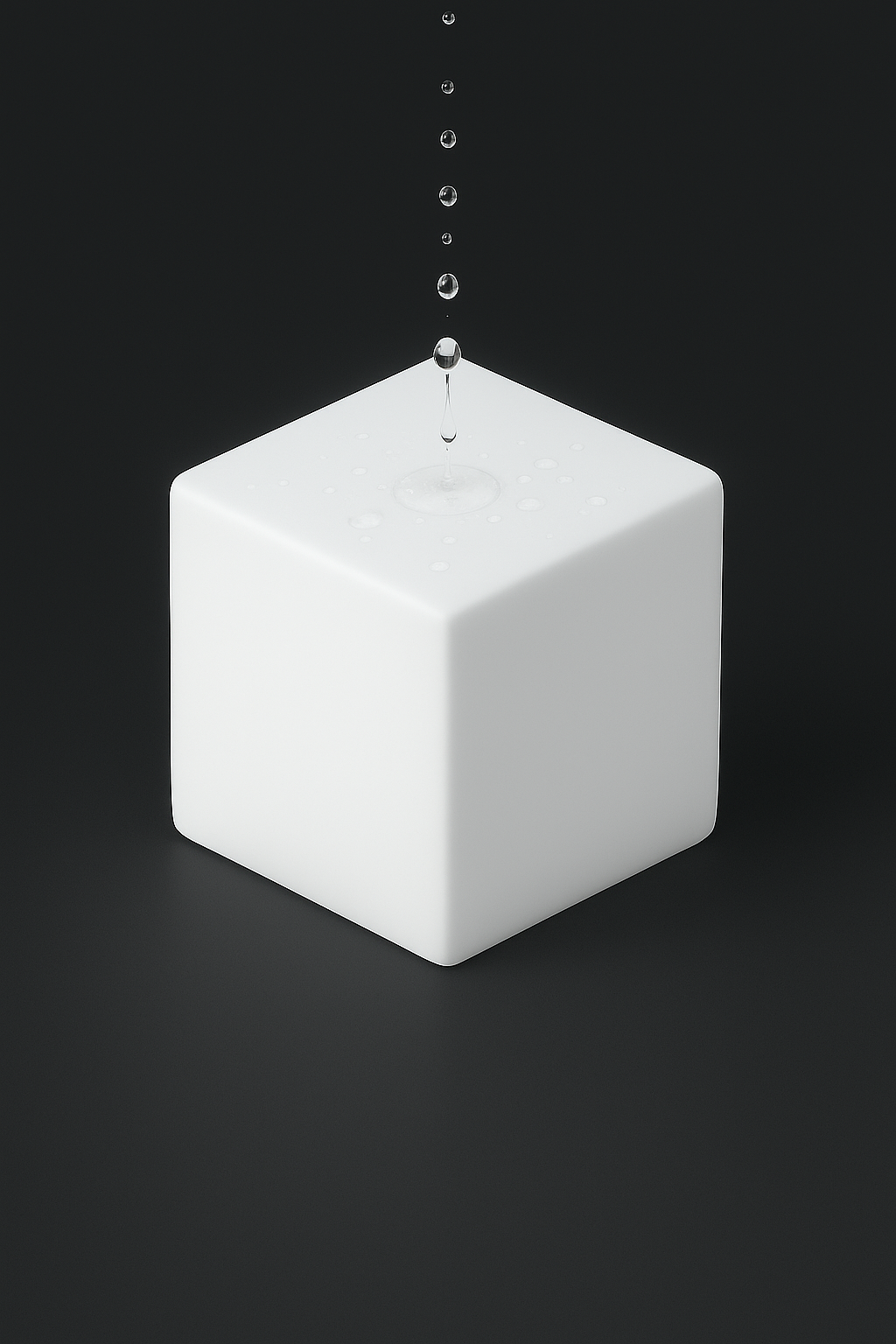
IPX1: Droplet water test (vertical drop of water)
IPX1: Dripping Water Test (Vertical Drip) is conducted by exposing the enclosure to vertically falling water drops to verify water ingress into the interior. This test simulates light rain or condensation conditions and is used to evaluate basic waterproof performance.
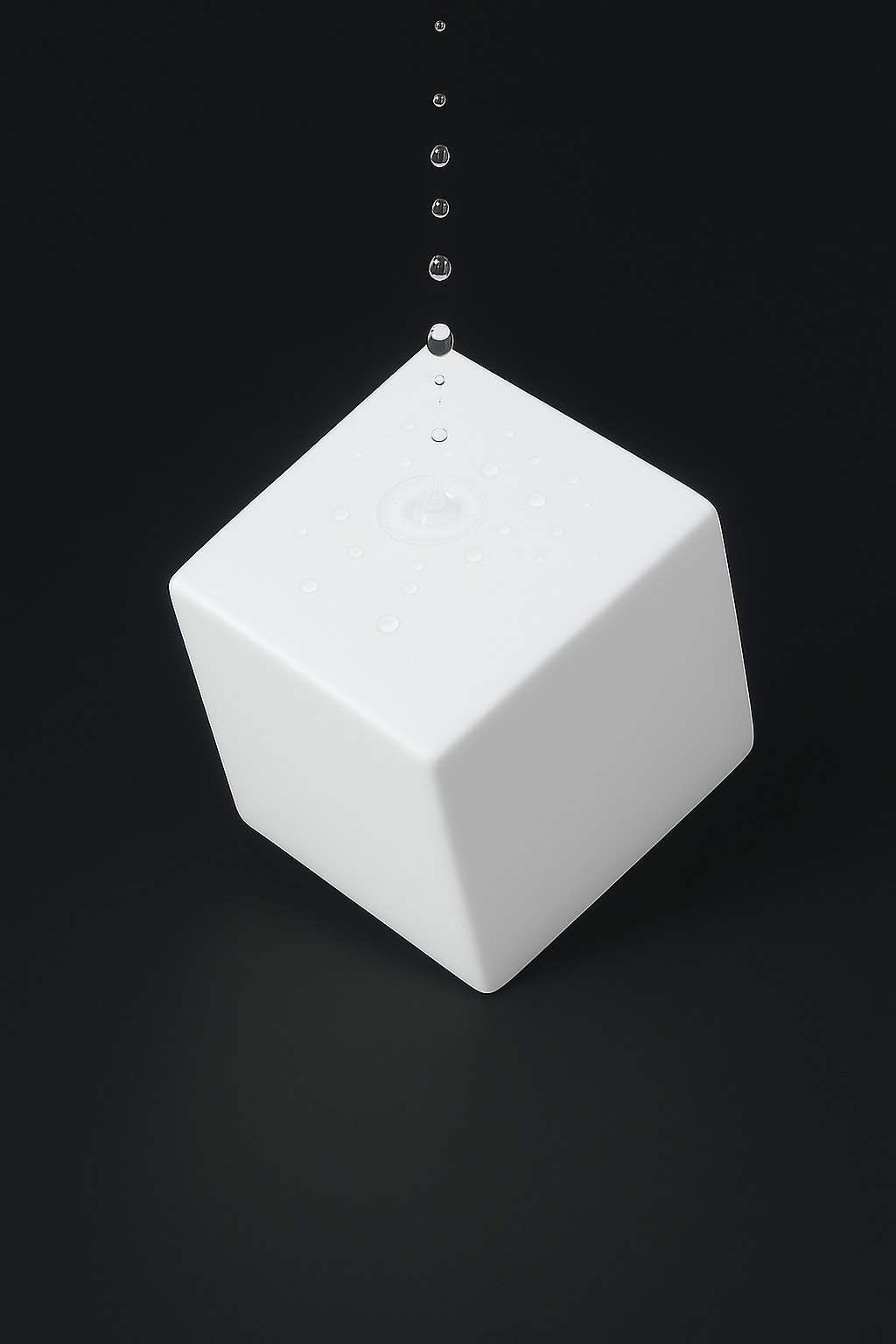
IPX2: 15° inclined drop water test
IPX2: Dripping Water Test (15° Tilted Position) is conducted by exposing the equipment to vertically falling water drops while it is inclined up to 15° to verify water ingress. This basic waterproof test simulates conditions such as inclined outdoor installations or light rain exposure.
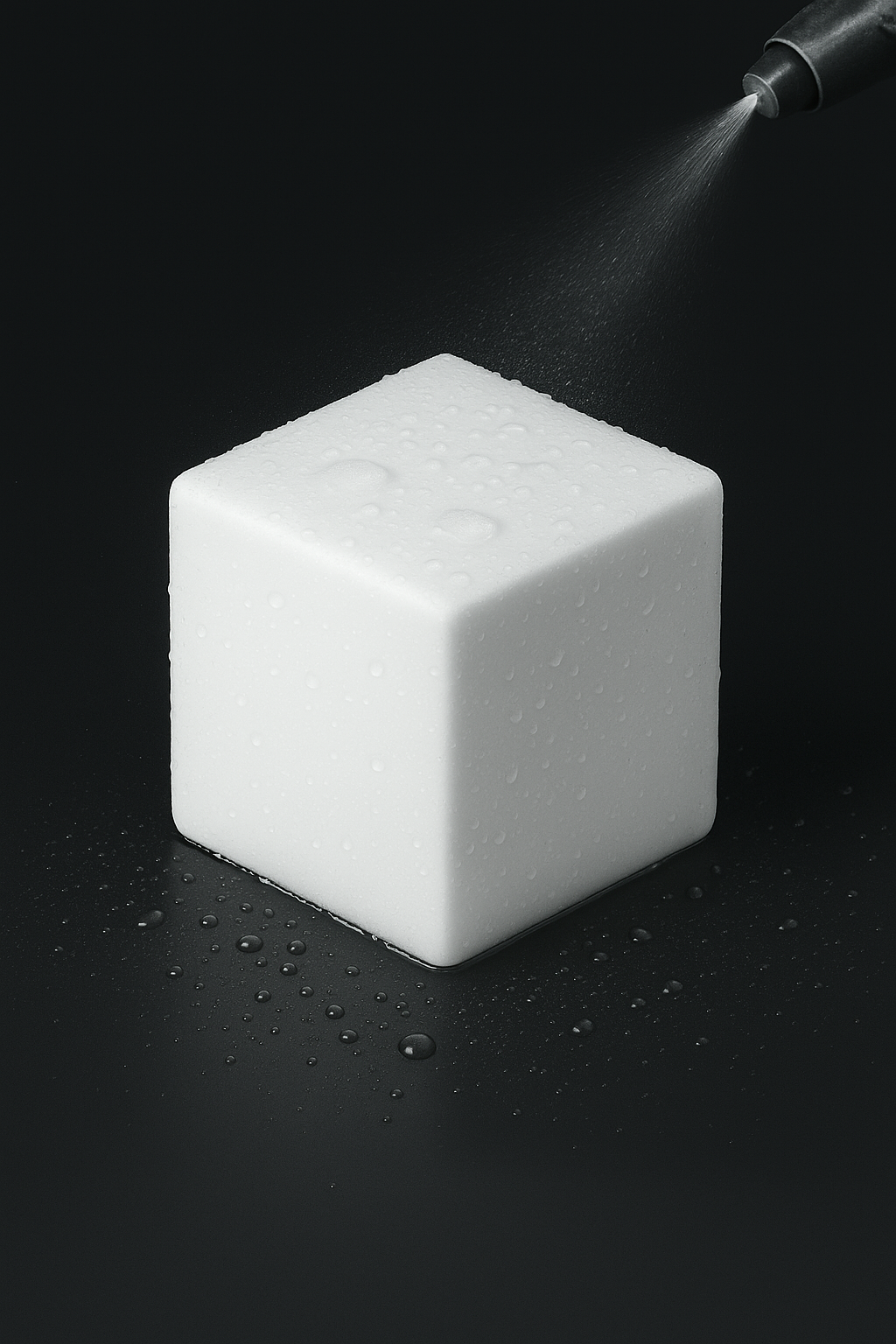
IPX3: Water spray test (spray nozzle/vibrating tube)
IPX3: Water Spray Test is conducted by spraying water from a spray nozzle or oscillating tube to reproduce conditions such as rainfall or water splashes and to evaluate waterproof performance. This test is commonly required for outdoor equipment and compact devices.
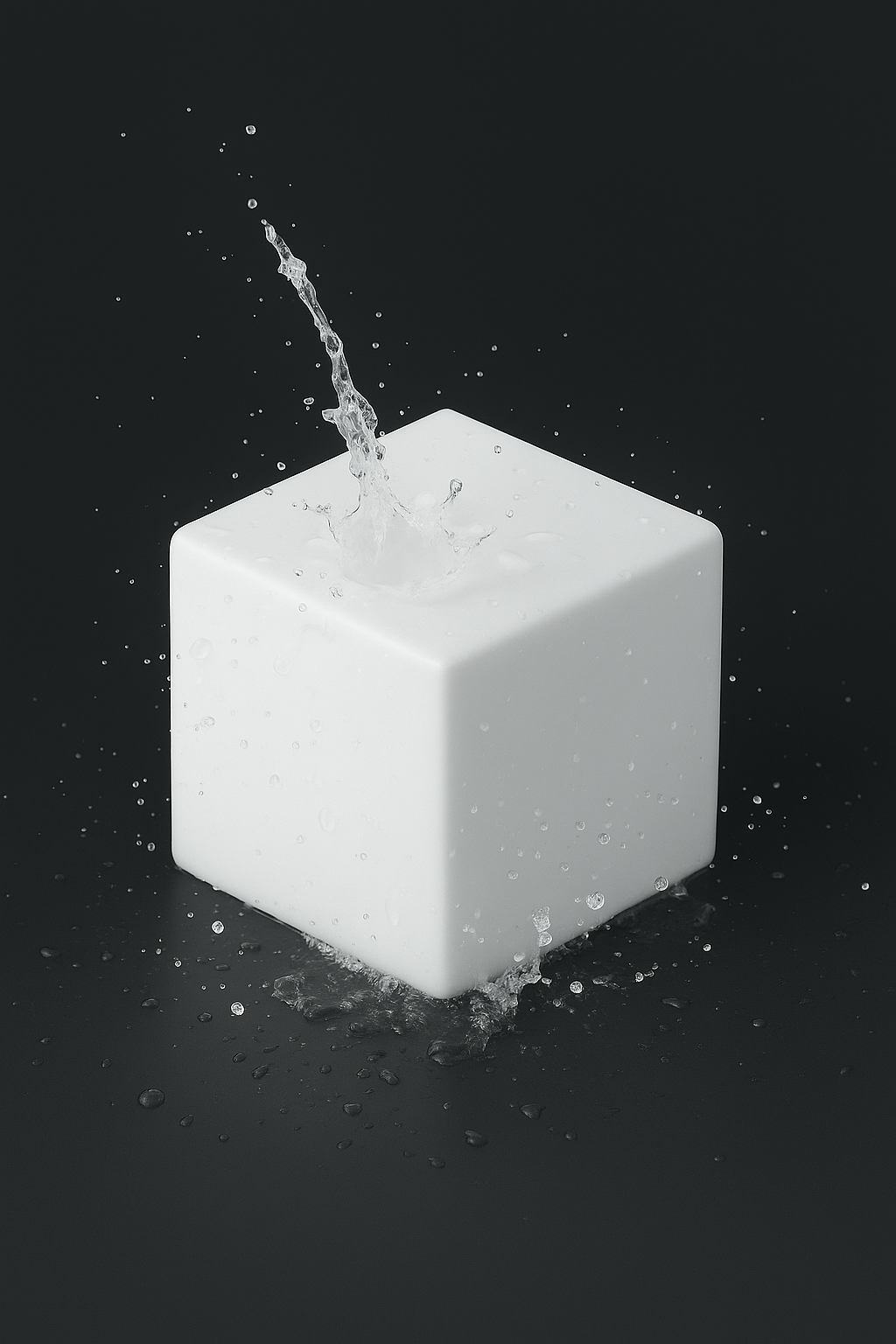
IPX4: Splash test (water splashed from all directions)
IPX4: Splashing Water Test is conducted by exposing the product to water splashes from all directions to verify that no water enters the interior. This test is applicable to products installed in environments subject to rain or multidirectional water splashes.
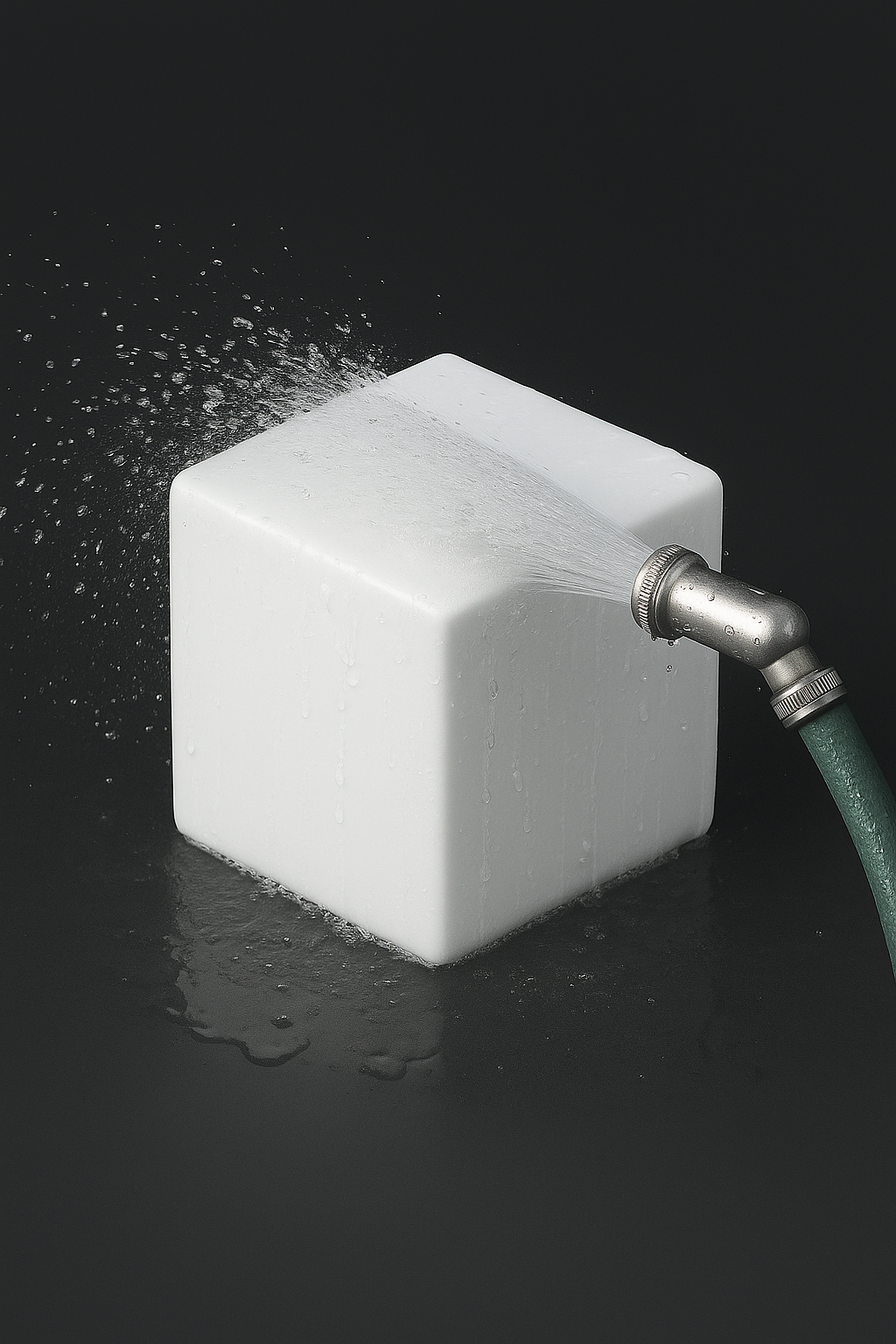
IPX5: Water jet test (water jet by hose)
IPX5: Water Jet Test is conducted by spraying water through a 6.3 mm diameter nozzle to verify that no water enters the interior of the product. This test is widely applied to outdoor equipment and automotive components.
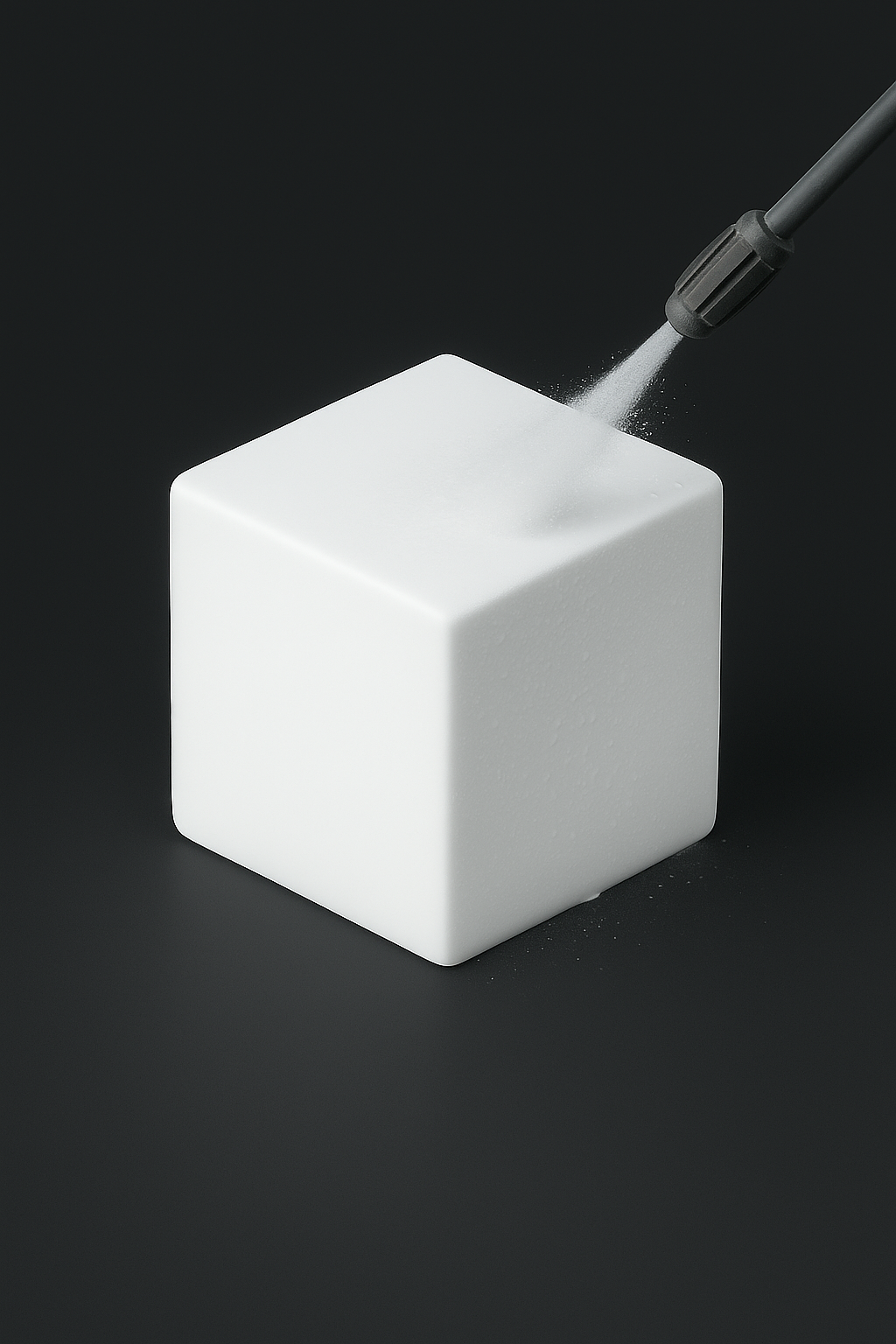
IPX6: Strong jet water test (large diameter nozzle, high water pressure)
IPX6: Powerful Water Jet Test is conducted by applying a strong water jet from a 12.5 mm diameter nozzle to verify that no water enters the product interior. This test simulates high-pressure cleaning and heavy rain conditions to confirm robust waterproof design.

IPX7: Submersion test (1m depth, 30 minutes)
IPX7: Immersion Test (1 m Depth, 30 Minutes) is conducted by immersing the product in water at a depth of 1 meter for 30 minutes to verify waterproof performance. This test evaluates the product’s ability to withstand temporary submersion and is widely applied to small devices and household appliances.

IPX8: Deep water test (long duration, manufacturer specified conditions)
IPX8: Continuous Immersion Test (Long Duration, Manufacturer-Specified Conditions) is conducted by immersing the product in deep water under conditions specified by the manufacturer for an extended period to verify waterproof performance. This test is applicable to equipment intended for continuous underwater use or for special applications.
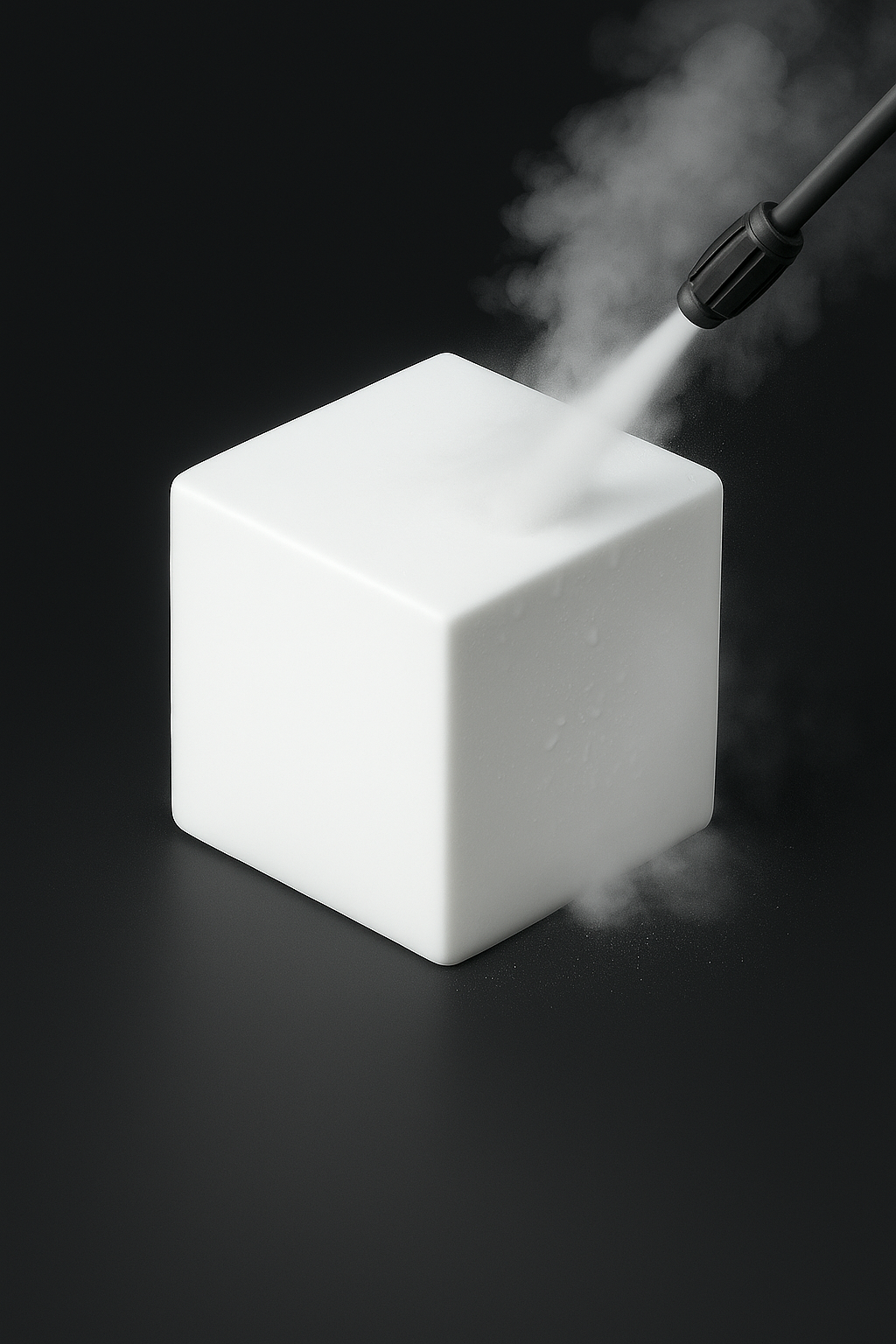
IPX9K: High-temperature, high-pressure water jet test (ISO 20653, automotive standard)
IPX9K: High-Temperature, High-Pressure Water Jet Test is conducted by spraying high-temperature, high-pressure water from multiple directions to verify water resistance. This test, specified in ISO 20653, simulates high-pressure cleaning environments for automotive and industrial equipment.
Submersion test (submerged, deep water, pressurized water)
Immersion Test is conducted by immersing the specimen in water at a specified depth to verify waterproof performance and sealing integrity. This test is used to evaluate the reliability of automotive components and other products, and complies with international standards.

Ice Water Test
Ice Water Test is conducted by heating the specimen to a high temperature and then rapidly cooling it in ice water to verify waterproof performance, insulation reliability, and corrosion resistance. This test is commonly used for evaluating automotive battery packs and similar components.

Ozone Test
Ozone Test is conducted by exposing specimens to a high-concentration ozone environment to evaluate cracking and degradation of rubber and resin materials. This test is widely used to assess the durability of automotive components and cable insulation.

Light resistance test
Lightfastness Test is conducted by exposing products to ultraviolet radiation or sunlight to evaluate discoloration and material deterioration. This test is used to assess risks such as fading and reduction in physical properties that may occur during long-term outdoor use.
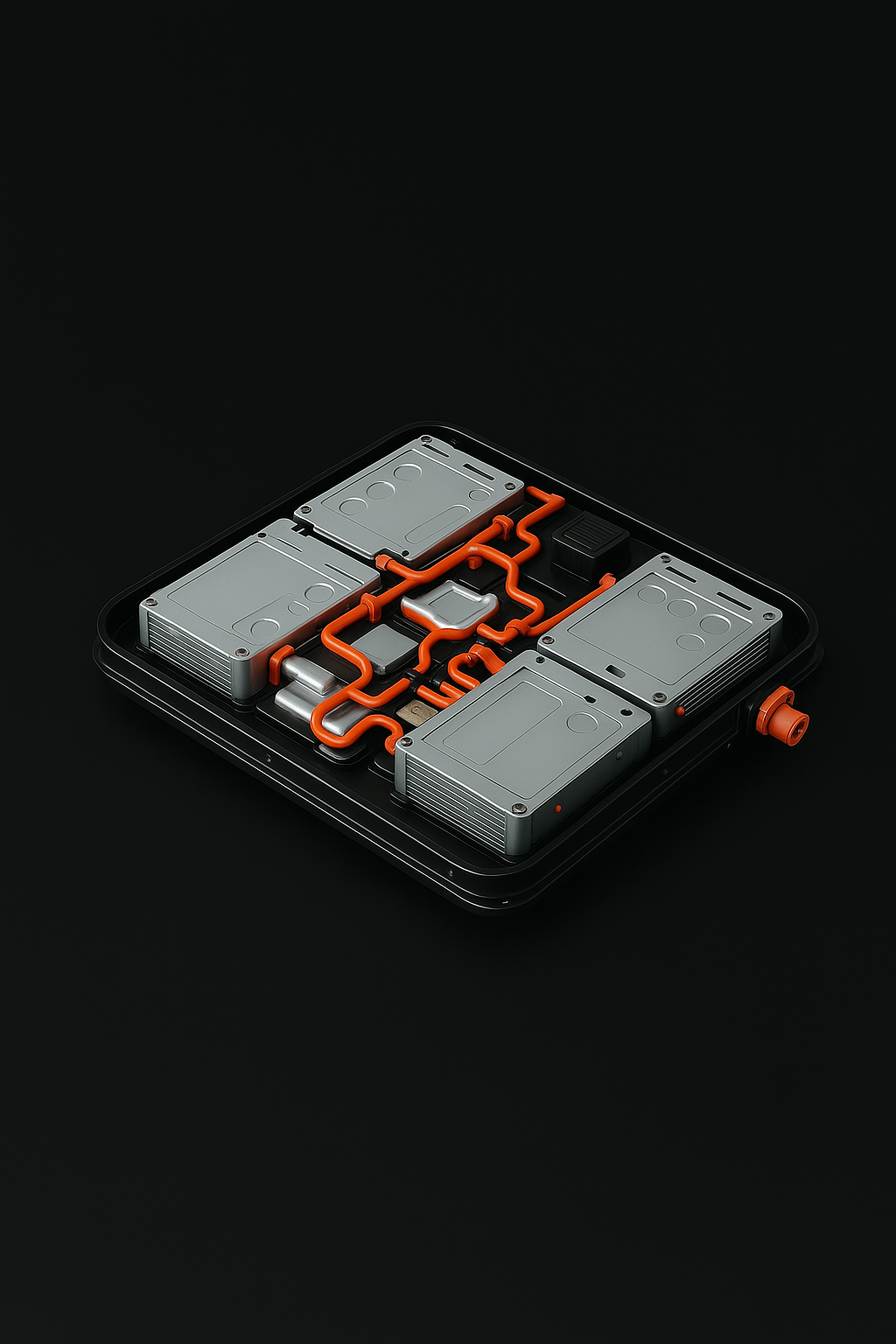
Charging and Discharging Tests
Charge/Discharge Test is conducted by repeatedly charging and discharging batteries to evaluate their capacity, lifespan, internal resistance, and degradation behavior. This test, which also includes safety verification, is widely used in various fields such as automotive and electronic devices.
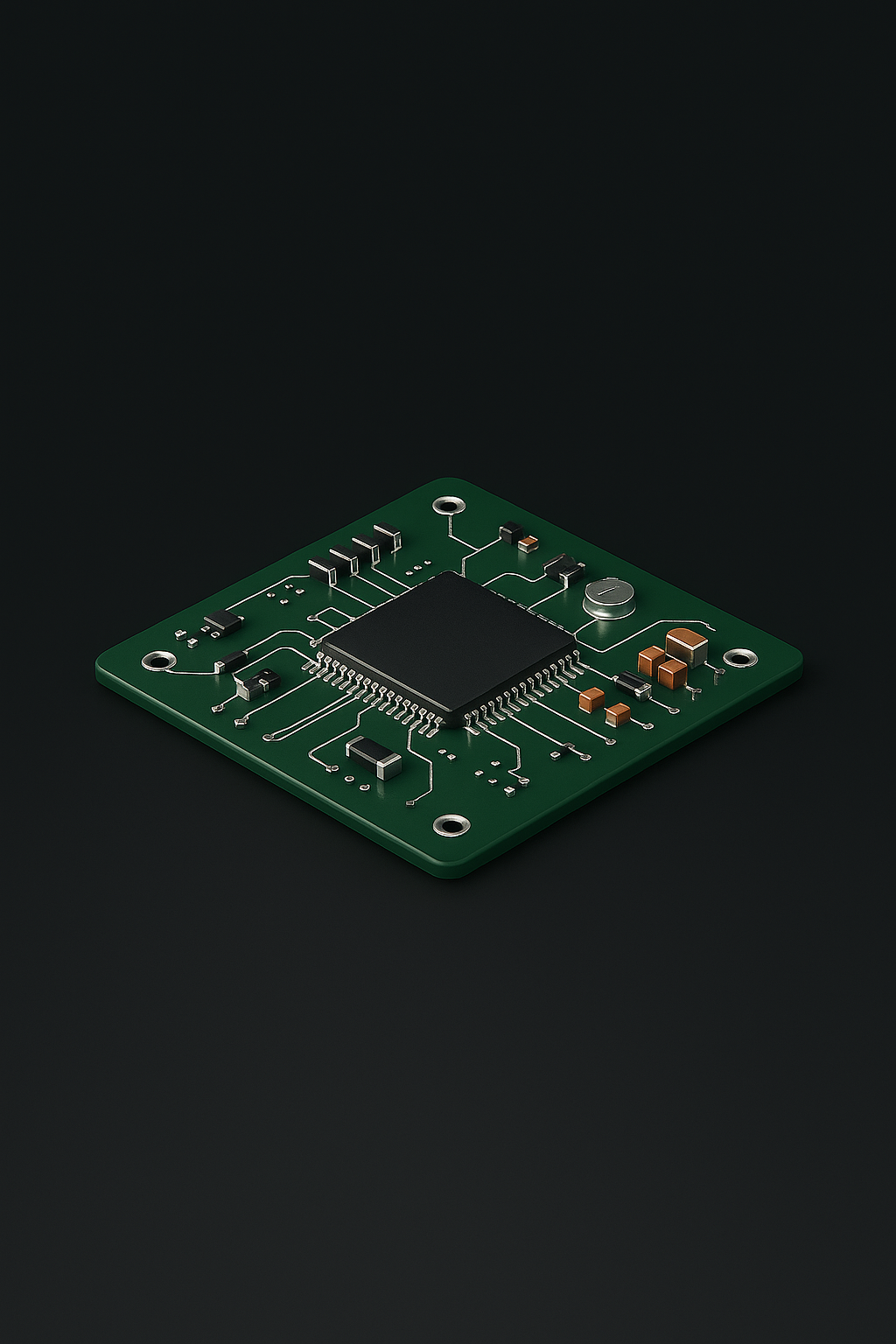
Conduction Reliability Test
Continuity Reliability Test is conducted to evaluate degradation or disconnection of solder joints caused by temperature fluctuations. By measuring resistance changes as an indicator, the durability of electronic components can be quantitatively assessed.
Insulation reliability test
Insulation Reliability Test is conducted by applying voltage under high temperature and high humidity conditions to monitor insulation degradation and migration through resistance changes. This test is used to predict risks of short circuits and failures and to evaluate overall reliability.
Instantaneous breakdown evaluation (ED)
Momentary Interruption Evaluation is conducted to assess the effects of instantaneous power interruptions or voltage drops. When combined with drop or vibration tests, this evaluation enables high-speed measurement of connection resistance in solder joints and connectors to detect momentary interruptions.
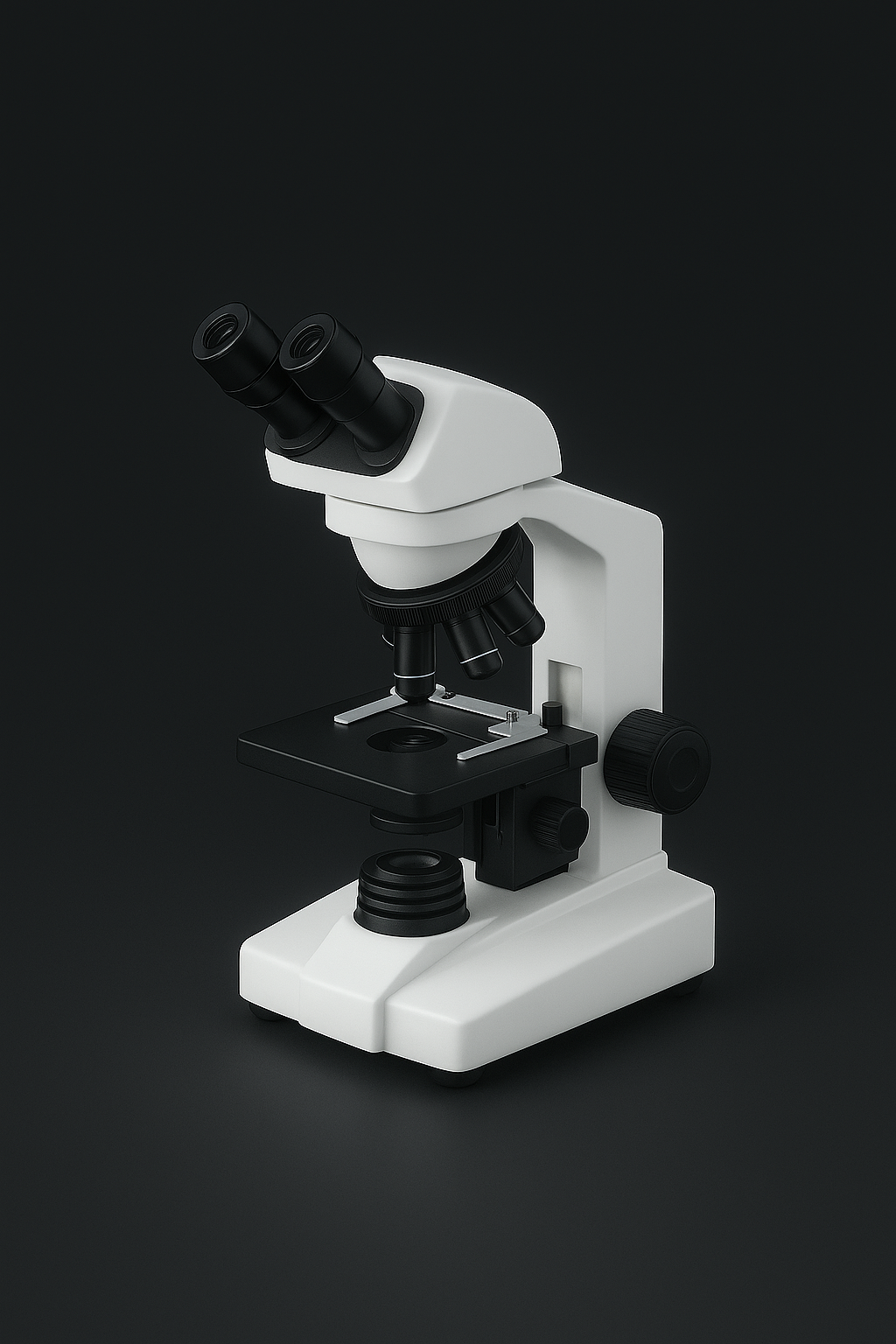
Appearance Observation
Appearance observation refers to the observation of scratches, discoloration, corrosion, etc. on the surface of a product by visual inspection or microscopy. This is a basic analysis method used to identify deterioration conditions and abnormalities.

cross-sectional analysis
Cross-Sectional Analysis is a method of directly observing the internal structure of a specimen by cutting it. This analysis enables detailed evaluation of material layer structures and interface conditions and is used to identify degradation factors and causes of defects in products.

X-ray CT Analysis
X-ray CT Analysis enables nondestructive observation of internal structures. By visualizing joints and internal defects that are not visible from the outside, this analysis is used to evaluate product reliability and identify the causes of defects.
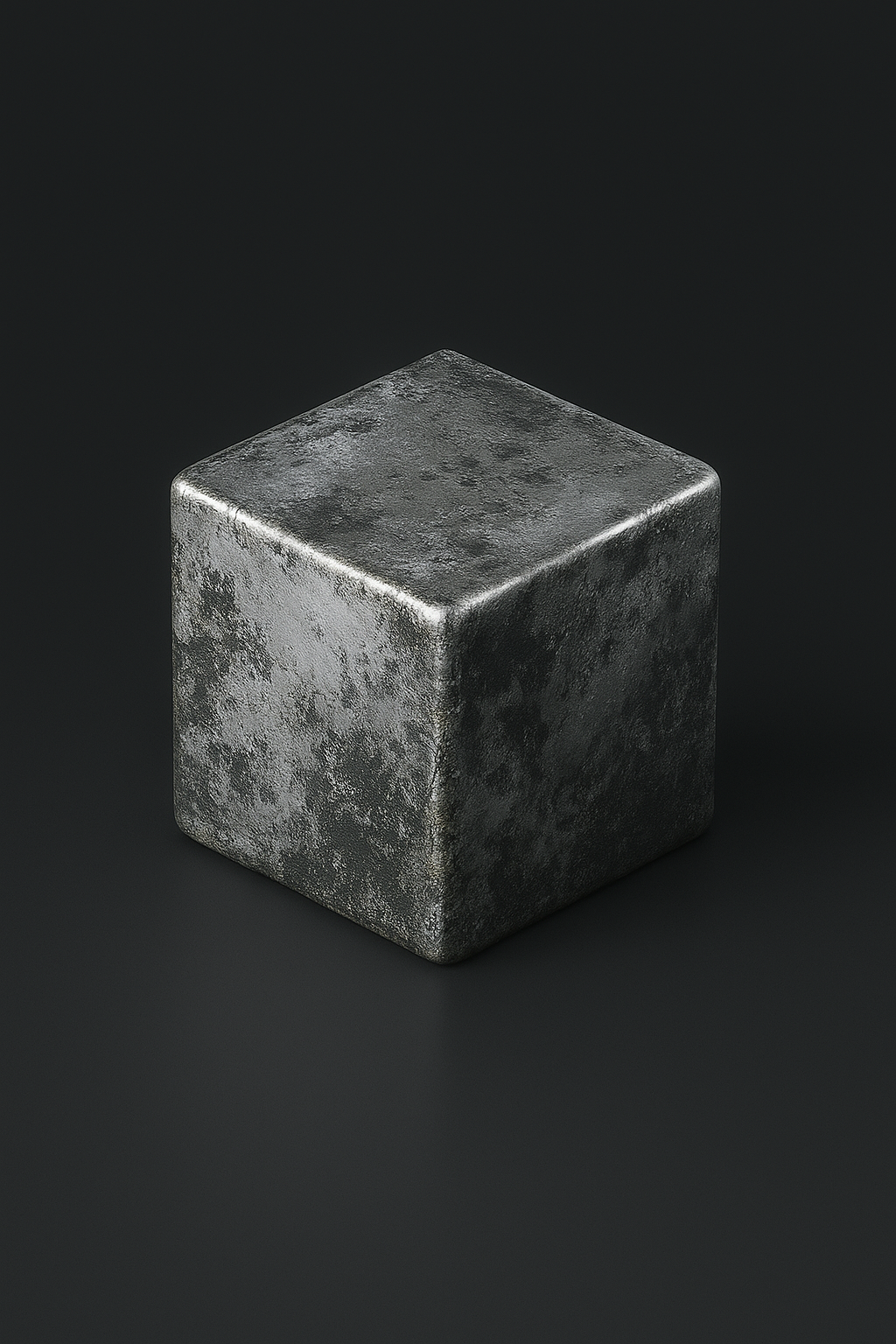
Corrosion Analysis
Corrosion Analysis is a method of examining the corrosion state of materials and components to identify the causes and degree of deterioration. This analysis is used for durability evaluation and verification of corrosion prevention designs.
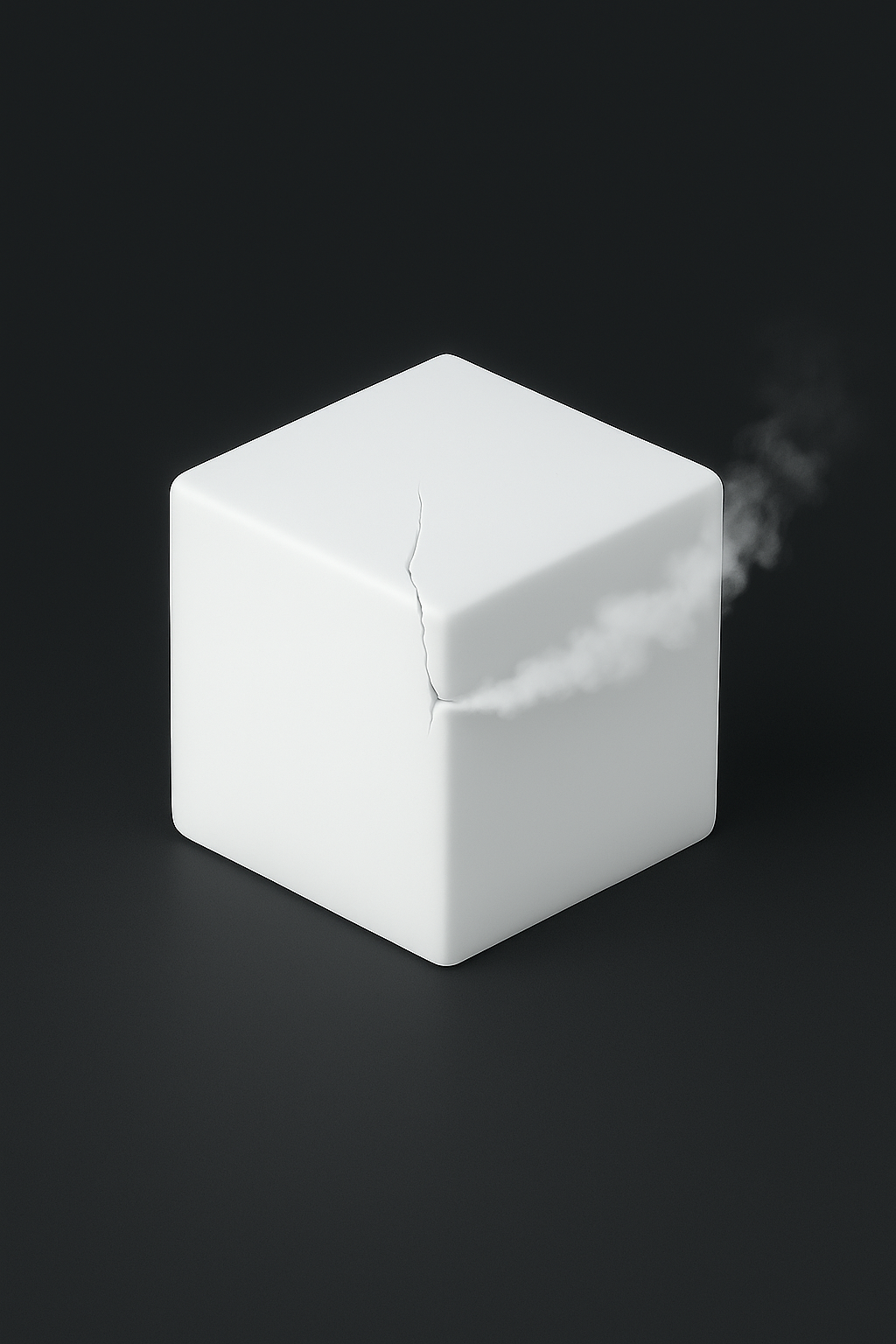
Air Leakage Measurement
Air leakage measurement is a test to evaluate the hermeticity and durability of products by detecting minute leaks. It is widely used to guarantee the reliability of electronic components and automotive parts that require airtightness.
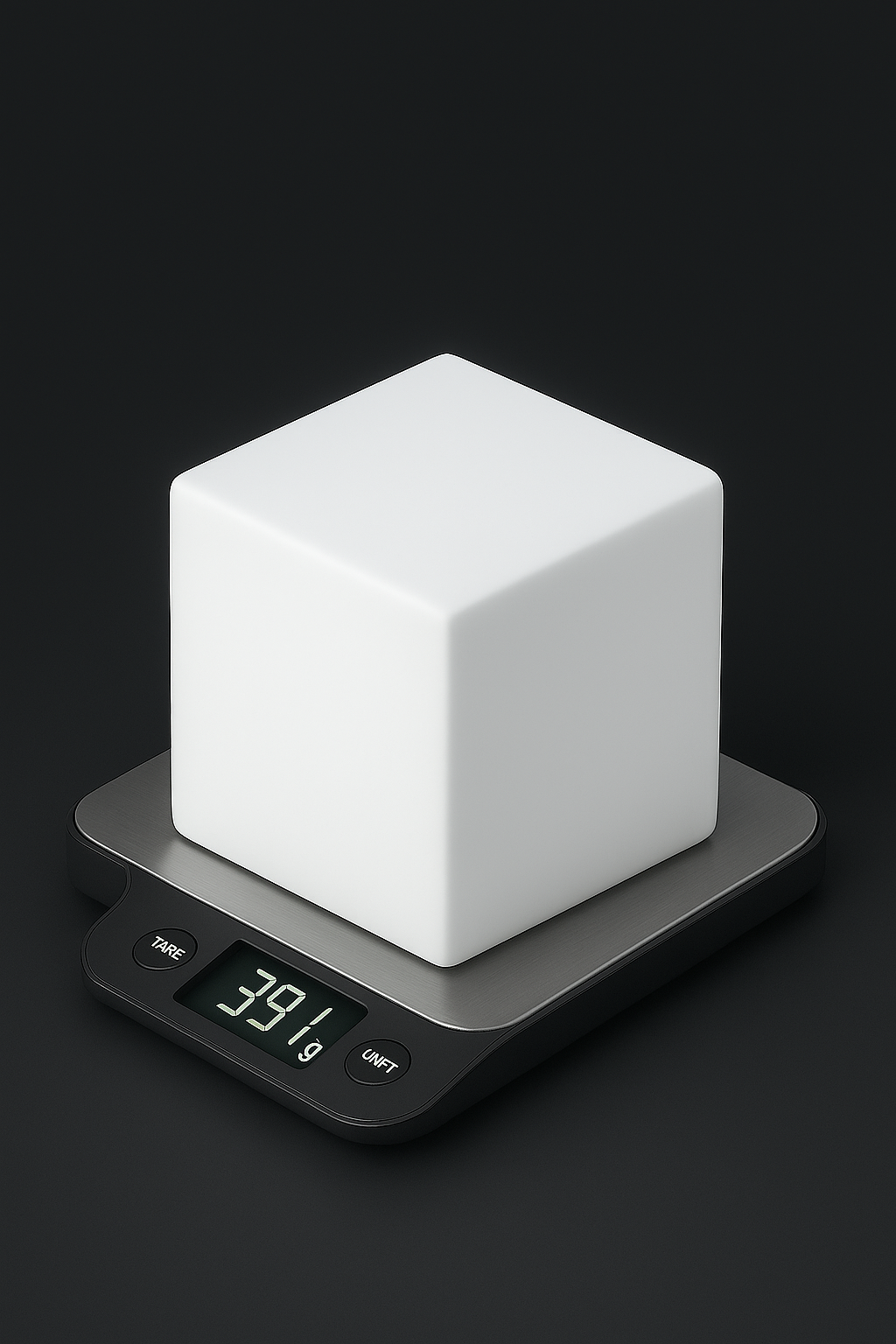
Weighing
Gravimetric Measurement is conducted to precisely measure the weight of products and components to verify conformity to standards and variations in manufacturing processes. By detecting minute changes, this test supports quality evaluation and reliability assurance.
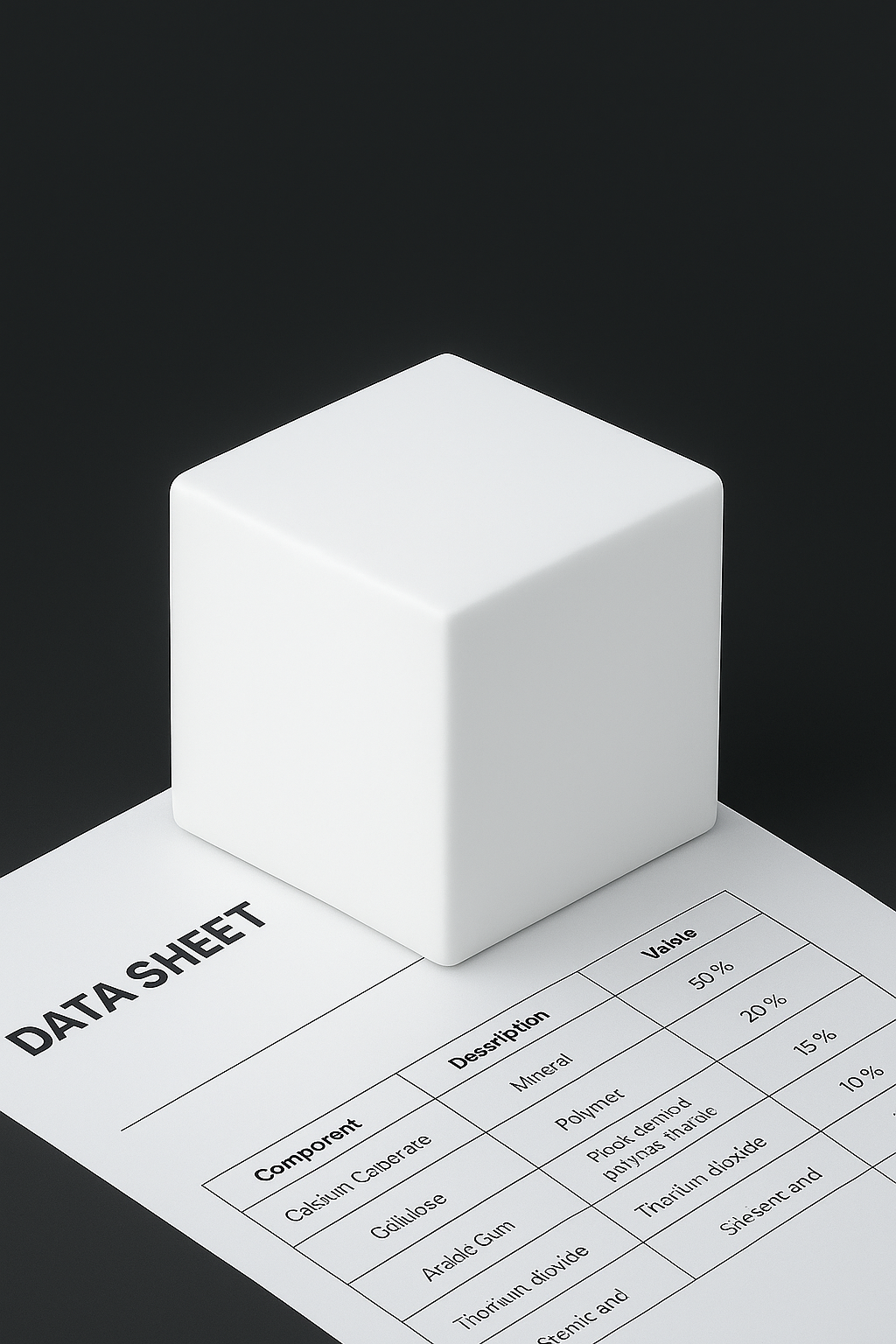
component analysis
Component Analysis is conducted to precisely analyze elements and compounds in product materials to determine composition, identify foreign material contamination, and verify conformity to standards. This analysis is essential for reliability evaluation and quality assurance and is effective from development to mass production stages.
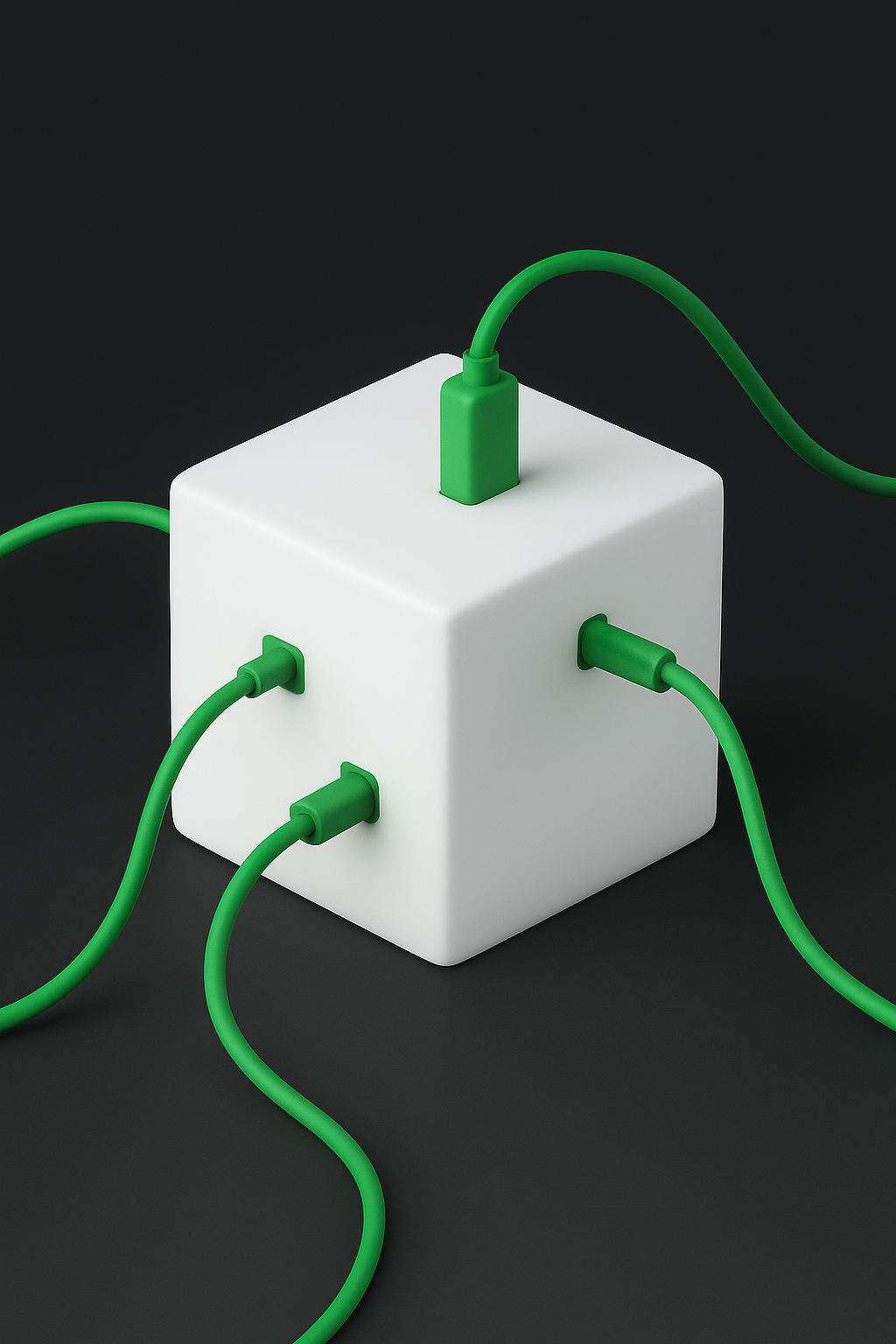
Electrical Measurement
Electrical Measurement is conducted to quantitatively evaluate the deterioration and abnormalities of electronic components by measuring insulation resistance, connection resistance, output fluctuation, and other parameters. This test is used to verify reliability after environmental testing and other evaluations.
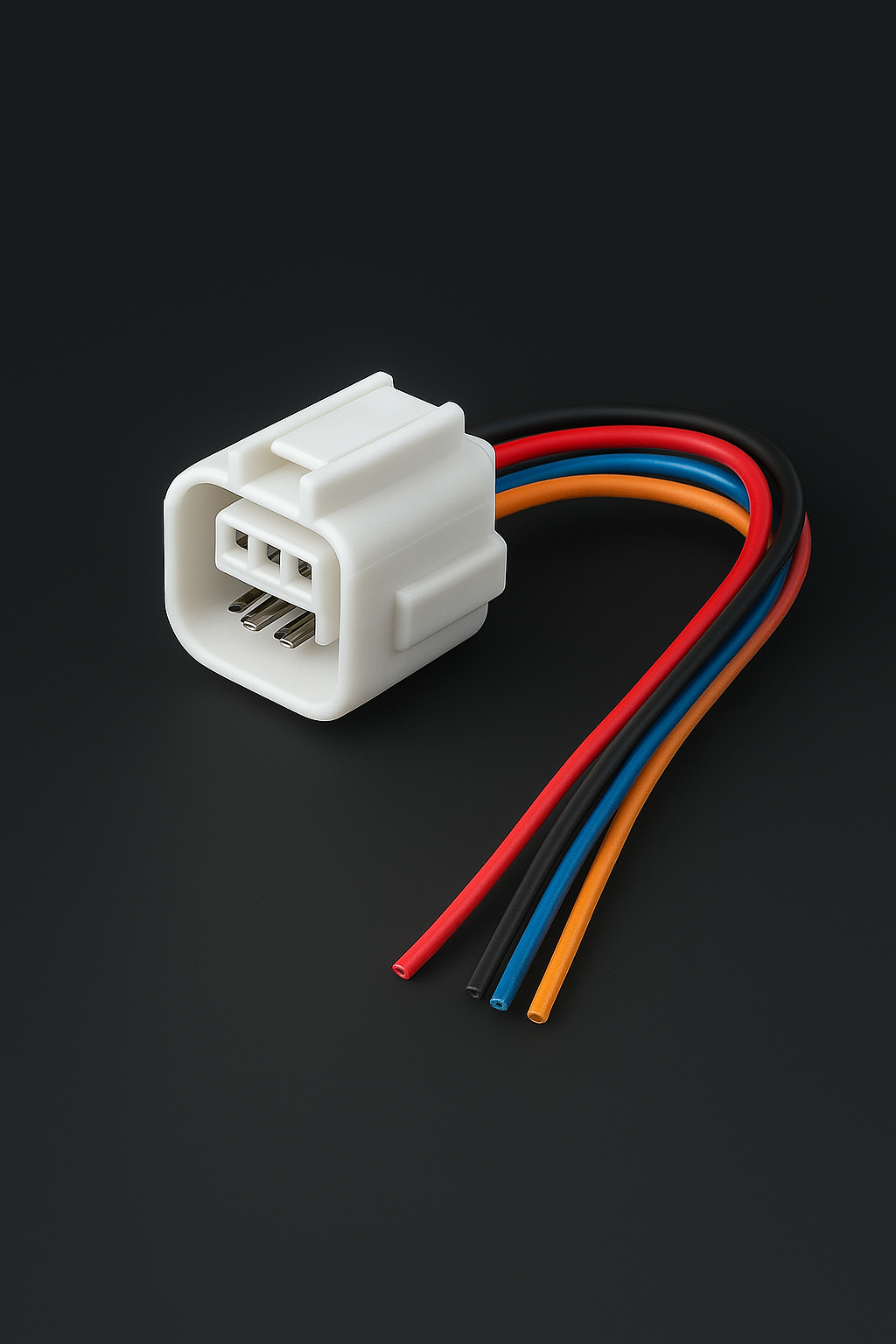
Connector/harness measurement
Connector/Harness Measurement is conducted to comprehensively evaluate the contact reliability of connectors and harnesses. By measuring contact resistance, dielectric strength, mating force, and momentary disconnection, this test quantitatively verifies safety and mounting reliability.